
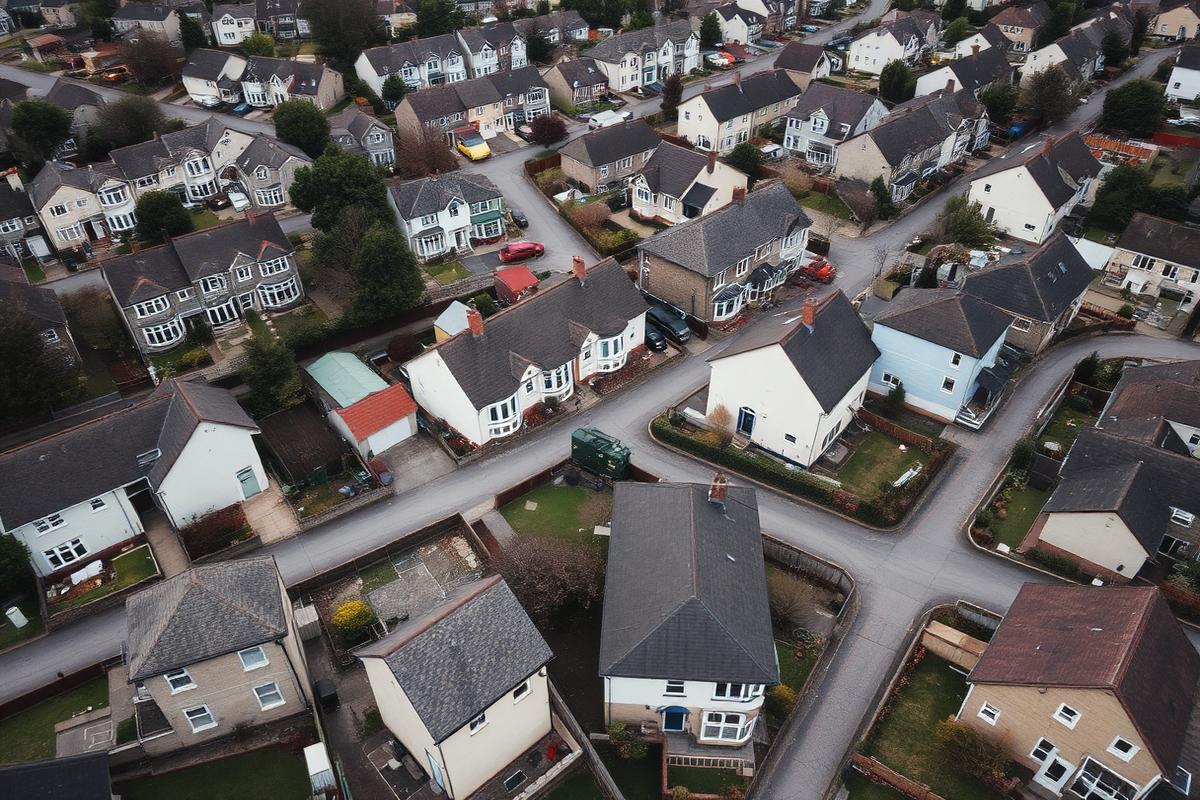
Begin with the property as it is
An asking price and a proposed finished value are only two inputs. Physical condition, permitted use, current occupancy, obligations and recurring costs can change the entire review. Assemble source information and identify what has not yet been verified.
Choose comparables with a reason
Nearby is not necessarily comparable. Condition, usable area, layout, access, transaction terms and timing all matter. Record why a comparable supports an assumption and where adjustments introduce uncertainty. Asking prices are not the same as completed transactions.
Connect the costs
Acquisition expenses, repair scope, financing, professional fees, taxes, insurance and carrying time should be considered together. A delayed approval can increase interest and operating costs even before it affects construction. Avoid treating budget lines as independent variables.
Test a less favorable case
Review longer schedules, higher costs and weaker sale or rental outcomes. The useful question is which changes would make the plan unworkable and what information could clarify those risks before a decision. A scenario is an analytical tool, not a forecast or promise.
General educational information only. Not investment, legal or tax advice, a performance claim or a recommendation concerning a specific property.
Discuss the approach