
Multifamily Improvement
An illustrative framework for evaluating improvements to rental housing without treating higher rents as a foregone conclusion.
This is an illustrative strategy, not an owned asset, completed transaction or investment offering. No property address, acquisition date or financial result is represented.
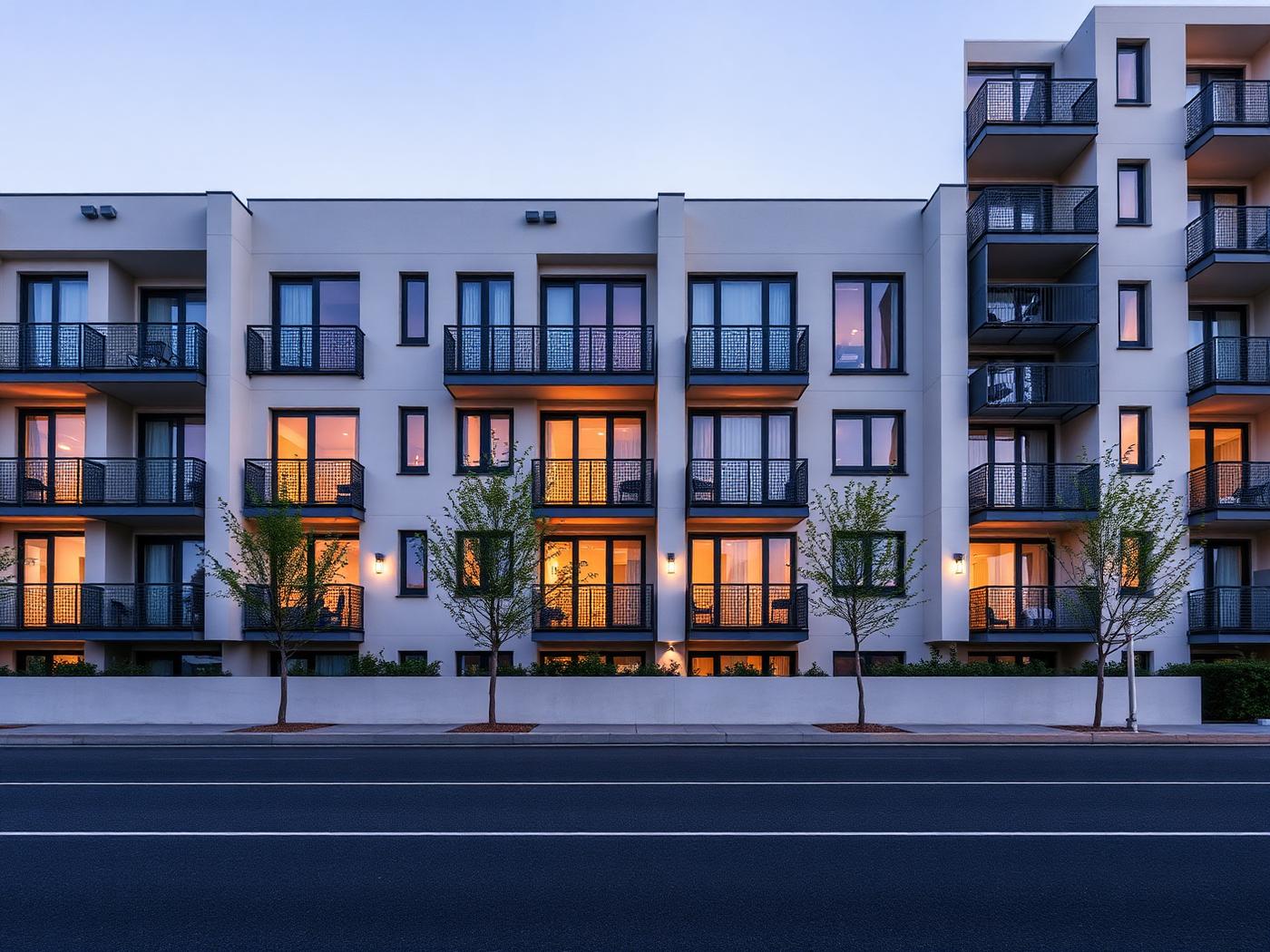
The rationale, the work and the uncertainties.
Investment rationale
Assess existing occupancy, actual collections, expenses and local rental evidence. Operational issues and deferred maintenance should be understood separately from speculative rent growth.
Potential scope
Possible work includes unit repairs, building systems, common areas and operating processes. Occupied buildings require particular attention to resident impacts, access and applicable housing requirements.
Diligence questions
Review leases, rent rolls, operating statements, maintenance records and local regulations. Verify recurring expenses and capital needs rather than relying solely on a seller’s summary.
Risks to examine
Vacancy, collection losses, unexpected repairs and legal restrictions can constrain a plan. Evaluate cash flow with realistic downtime and recurring costs, not just stabilized projections.
Evidence before execution.
Start with property-specific information. Test the business plan against cost and market scenarios. Define the work and approvals before proceeding. Reassess any exit against current evidence rather than assuming the original plan remains appropriate.
Explore the wider focus.
Residential Renovation
An illustrative approach to homes whose physical condition or layout may limit their usefulness and market appeal.
Multifamily Improvement
An illustrative framework for evaluating improvements to rental housing without treating higher rents as a foregone conclusion.
Single-Family Repositioning
An illustrative strategy for assessing a home’s layout, systems and site against neighborhood demand.
Commercial Repositioning
An illustrative approach to commercial properties where physical improvements or a revised operating plan may support a more suitable use. The image is architectural context, not an identified commercial asset.